August 2, 2021
- Amber

- Sep 13, 2021
- 3 min read
BOSLady,
With mask mandates in flux, I'm unsure of whether or not an in person meeting is in the cards for August. However, we do need a host and selector of the month's read. If you would to host in person (depending on COVID recommendations at the scheduled date), it would be a long awaited and highly anticipated reunion. Whichever your preference, please let me know if you're interested in being our August.
Thank you to everyone who joined in last Tuesday to discuss Ninth Street Women. The three items below stem from what was discussed.
The Weekly Three
1. Something about the importance of effort: Consider this quote from Ninth Street Women:
"Bill and Elaine, though confident in their paths as artists, could not have been free from the nagging fear that they might spend their lives looking and never find what they sought in their work. Kierkegaard seemed to say that didn't matter, that it was the striving that counted, and he described the need to reconcile oneself to the unknowable that was man's fate."
The rise of Existentialism encouraged the modern abstract artists of New York to free themselves from societal expectations and turn inward, whether it yielded results or not. Turning away from the styles of the old European masters and searching for a new way to create, that was noble in and of itself, regardless of recognition that would or would not follow.
Lee Hartigan embodied this sentiment even as she prioritized managing the career of her husband Jackson Pollock. She made her own painting a secondary pursuit, but did not give up on it, even as she struggled to discover her own style and knew her own work would never be as respected as her husband's.. In her words, "'I was fighting to find I knew not what, but I could no longer stay with what I had.'"

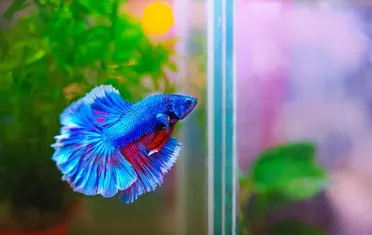
2. Something about the benefits of aquariums in workspaces: A couple of weeks ago, we got a fish for our office. Now coworkers rotate through all day to say hello and stare at him for a few minutes before returning to their tasks. Whether they know it or not, watching an aquarium (even without fish in it) has been shown to decrease stress and anxiety. Dogs are most commonly associated with animal assisted therapy (AAT), but fish are an option for those who don't have the time or money or ability to care for a dog.
3. Something about decreased work hours: Celeste Headlee argues in The Do Nothing Revolution that productivity can be a vice. Inventions from the Industrial Revolution were supposed to make tasks easier, taking less time and thus increasing leisure hours. What happened was the opposite. If a shirt takes less time to make than it used to, should we stop after we make one and use the time for something else? Or should we make more shirts now that we have more time? Clearly, American culture chose the second option.
When the pandemic hit last March, full time parents had no choice but to split their time at home between their paid work and taking care of their kids and homes. Some switched to part time, some kept their same load and worked into the wee morning hours when those they cared for slept. Those who didn't have dependents were asked to pick up the so-called slack, an unfair burden for them as well.
Then a funny thing happened. During the shutdowns, Americans discovered they can work less, or they can get by with one paycheck when they used to think two were necessary, or that they simply liked doing other things better. Enter The Great Resignation. It looks like now, time is being valued more than product.
Thank you for reading,
Amber


Comments